Today I have heard of two stories regarding citizenship which lie outside the normal naturalization process (at least in terms of establishing permanent residence first, for a specified number of years, etc). Both involve a type of selling if you will. The first is a deal between two governments with the people gaining only marginal status and benefits (which they already should be entitled to). The second is more like a straightforward business deal between individuals and business, brokered through a government.
Peter Spiros, at at Opinio Juris says:
Citizenship for sale schemes have become an increasingly common phenomenon as the rich from non-Western states look to upgrade their travel privileges. The likes of Malta, Cyprus, and St. Kitts have had some success selling citizenship to plutocrats from Russia, China and other non-visa waiver countries. The revenues supply a nice fiscal bump at low marginal cost to these small states. The price is fairly steep (more than a million Euros in the case of Schengen-advantaged Malta) but the number of buyers has been relatively small. That’s cash-for-passports on a retail basis. We now have reports of the first wholesale purchase.
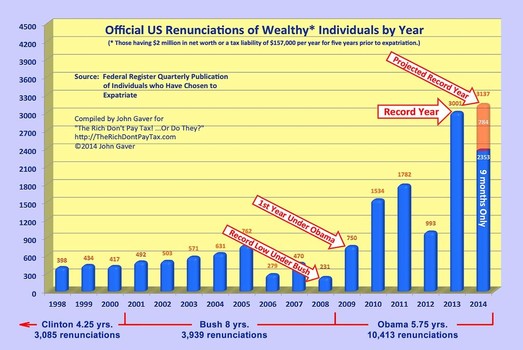
(Interesting that he does not mention the sale of those citizenships are also to those wishing to escape from tax evasion prosecution).
The “wholesale purchase” is a deal between the governments of Kuwait and the Comoros Islands (off the African coast). More than 100,000 Kuwait residents are legally stateless, and the country refuses to recognize them as its own, saying they entered the country illegally.
Comoros will issue passports in exchange for direct Kuwaiti investment into the building of schools and charities. With Comoros citizenship (though remaining in Kuwait), the illegal status will end allowing for some health and education benefits. I am not quite sure just what it is the Kuwait government actually gains from this agreement. It sounds like the benefits to its “resident aliens” will be minimal.
Atossa Araxia Abrahamian, a name early Brockers will recognize, has also weighed in on the plight of the Bidoon.
The Comoros-Gulf alliance presents a new model for governments trying to deal with stateless people in their countries without giving them the rights that come with full political and civic membership.
The citizenship could also put them at risk of deportation. While stateless people are difficult for countries to get rid of — their lack of documentation actually protects them from being sent away — foreign citizens can be kicked out at a moment’s notice. Jarrah said Kuwait did not have plans to deport the Bidoon wholesale, but that those who commit certain crimes could be liable for deportation.
International rights groups have also lambasted the scheme. The Islamic Human Rights Commission called Kuwait’s strategy “an affront to human dignity and justice” and “a cynical ploy to relieve itself of its own obligations to the Bidoon.
On the other end of the spectrum one finds the U.S. EB-5 investor program. Created in the 1990’s, it was intended to stimulate the economy through the creation of jobs via foreign investment. In return for putting up the funds, immigrants receive visas to live in the U.S.
Continue reading


On Friday, November 7th, I attended the Remembrance Day ceremony at the elementary school where I live. I wore my ceremonial dress, as requested, and joined a couple of veterans who were also in attendance. During the singing of “O Canada”, for the first time in my life, I felt really conflicted. After 30+ years as a law enforcement officer in Canada, during the singing of our national anthem, it started to really hit home that the current Canadian government does not consider me to be a Canadian.
A Canadian dies and arrives at the Pearly Gates. St. Peter greets him and says, “Hey, would you like me to show you around before I take you to your eternal mansion?”