An excerpt from “Identity theft in a #FATCA and #CRS World: The Role Of the U.S. Social Security Number” cross-posted from citizenshipsolutions.ca
This morning I received a fascinating message from a third party who writes:
IDENTITY THEFT, SSN & CRS
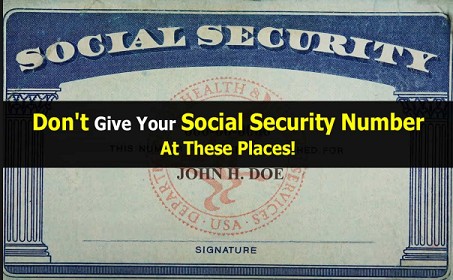
With the creation of Social Security in the US after World War II, Americans were issued individual social security numbers for retirement contribution tracking and disbursement purposes. Over time, by convenience and not by design, these social security numbers morphed into national tax ID numbers and the only identification number used in all aspects of Americans’ lives — from getting a driver’s license, buying a car, enrolling in university, opening a bank account, buying health insurance and soon. The list is endless.
The IRS and the Social Security Administration regularly entreat Americans to be careful about to whom, why, and how they reveal their precious SSN. Indeed, identity theft is the fastest growing industry in the US and rarely a day goes by without yet another data breach making headline news (need a list??) or a warning of fake IRS forms (such as the W8-Ben) enticing people to provide private data never asked on those forms.
Europe, on the other hand, provides its nationals with distinct tax ID numbers. No single identifying number can provide access to and take control of all aspects of an individual’s life.
In comes FATCA and CRS.
And what does the IRS and USG compel us to do? Fork over our SSN to FFIs and foreign governments — and their myriad service providers, data bases and servers.
Aside from this requirement’s dubious legality under GDPR, having to fork over one’s SSN is akin to leaving your front door open with a big “Welcome” sign while you go off on holiday.
Americans get to choose between the risk of privacy violations and identity theft and the ability to bank. If they can find a bank that accepts them that is — not one online European bank will accept a client with the slightest whiff of “American-ness”, even if said client is a dual national. Discrimination anyone?
It’s not as if there were no other options and the USG had no CHOICE but to put its citizens at risk. The IRS could issue TIN numbers separate from SSN. Americans abroad could prove their identity with a passport number and show their compliance with redacted FBARs and 8938s. Most FFIs in Europe are not even aware that our SSN is the unique number that controls our lives and understand the Solomon’s dilemma once it is explained to them. Yet they cannot do anything about it, they too are victims of the IRS’ extra-territorial reach.
While we wait for various efforts to reform or repeal FATCA to bear fruit, solving this dangerous conundrum should be simple and SSN numbers must no longer be used.
Conclusion
The U.S. tax compliance industry regards FATCA as “The Gift That Keeps On Giving!”
For Americans Abroad, FATCA is “The Nightmare That Just Keeps Happening!